Why Competitions Change Choirs (for Better and Worse)
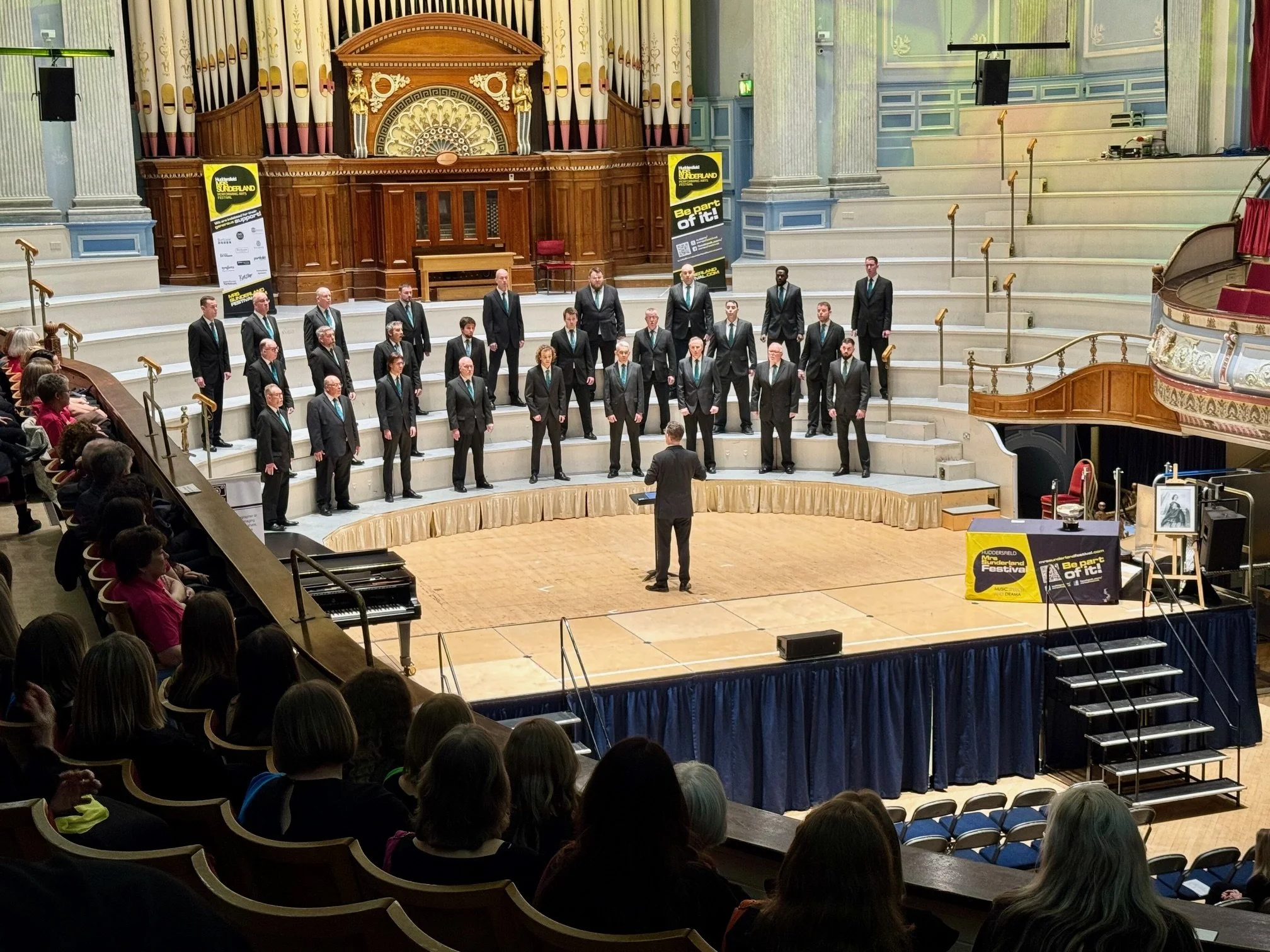
Choral competitions have an odd effect on male voice choirs. They concentrate effort, sharpen focus, and raise ambition. They also expose weaknesses that may have been politely ignored for years. The same event can leave one choir transformed and energised, and another defensive and demoralised. The difference is rarely the adjudication. It is how the competition is understood in the first place.
Many choirs arrive at competitions misled, often unintentionally, by their own leadership. Competitions are sometimes presented as verdicts rather than learning environments, as if the result reveals an objective truth about the choir’s worth. That framing is seductive, but it is also damaging. When a competition is treated as a final judgement, the emotional stakes rise sharply and the scope for learning narrows almost to nothing.
This is compounded by a tendency, common across the amateur choral world, for choirs to assume they are better than they actually are. This is not arrogance so much as isolation. Most choirs hear themselves weekly and hear others only occasionally, often in concerts where conditions are generous and audiences forgiving. Without regular external reference points, standards drift upwards in perception but not always in reality.
As a result, many choirs arrive at competitions with only two explanatory frameworks prepared in advance: we won, or we were robbed. Both are dead ends. Winning confirms existing beliefs and discourages reflection. Feeling robbed externalises responsibility and hardens resistance. Neither leads to musical growth.
Competitions do not test identity. They test preparation.
That preparation begins long before the event and extends far beyond learning the notes. Programming alone is a frequent weakness. A piece may suit the choir socially or historically but not competitively. Another may be appropriate in style but expose technical limitations the choir has not addressed. A competition programme is not a concert programme. It must demonstrate control, contrast, and understanding within a very short time frame.
Performance quality matters just as much. Tuning, ensemble, rhythmic discipline, phrasing, diction, and tonal consistency are not optional refinements. They are the substance of competitive singing. Yet many choirs spend the bulk of their rehearsal time revising notes and very little time working systematically on these skills. When adjudicators comment on tuning or blend, choirs are often surprised, not because the comment is wrong, but because those areas were never consciously addressed.
Presentation plays a role too. What the choir looks like on stage, how it stands, how it breathes, how it engages with the space, all contribute to the overall impression. These are musical factors as much as visual ones. A disciplined physical presence supports disciplined sound.
Underlying all of this is a more fundamental question: did the choir come to the competition to learn or to win?
Coming to win is emotionally appealing but musically barren. It encourages short-term fixes, repertoire choices that flatter rather than challenge, and an avoidance of honest diagnosis. Coming to learn, by contrast, reframes the experience. It allows the choir to listen carefully to others, to hear its own performance clearly, and to treat adjudication as information rather than judgement. Paradoxically, choirs that come to learn are far more likely to improve quickly, and improvement is what ultimately leads to success.
Competitions also place particular demands on musical leadership, especially in the male voice choir world. Many MVC singers have limited formal vocal training. That is not a criticism; it is a reality of the tradition. It means the conductor cannot simply rehearse repertoire. They must teach singing itself. In this context, the conductor must be both driver and mechanic, shaping musical interpretation while also building the technical engine that makes it possible.
This is where competitions can be transformative. They expose whether a choir is developing transferable skills or merely preparing specific pieces. A choir that works weekly on listening, tuning, balance, and vocal consistency will take something lasting from a competition regardless of the result. A choir that has focused narrowly on getting through a set of notes will often leave unchanged, except perhaps more entrenched in its assumptions.
Competitions do not make choirs better by themselves. They magnify whatever is already there. They reward clarity of purpose, technical preparation, and openness to learning. They punish complacency and illusion, sometimes brutally.
Used well, competitions accelerate development. Used badly, they entrench disappointment.
The difference lies not in the adjudicators, nor even in the result, but in whether the choir understands the competition as an examination or as a lesson. Only one of those leads anywhere worth going.
Five practical things to do before your next competition:
Choose repertoire for the event, not for habit
Read the class requirements carefully and select pieces that suit both the competition criteria and your choir’s current strengths. A familiar favourite is not automatically a competitive choice.Dedicate rehearsal time to skills, not just notes
Each week include focused work on tuning, vowel matching, rhythmic precision and balance. If these are only discussed in the final month, they will not appear on stage.Record and review regularly
Make simple audio recordings in rehearsal and listen together. What the choir hears from inside the sound is very different from what an adjudicator hears from the hall.Practise stagecraft deliberately
Rehearse how you walk on, stand, breathe before the first note, and end a piece. Confidence on stage reduces musical tension and improves ensemble.Plan how you will use the adjudication
Before travelling, agree that the written and spoken feedback will be studied carefully afterwards. Decide to treat it as guidance for the next season’s work, not just commentary on one performance.