Facing the Music: Why Lower Voice Choirs Have Room to Grow in Reflecting Britain
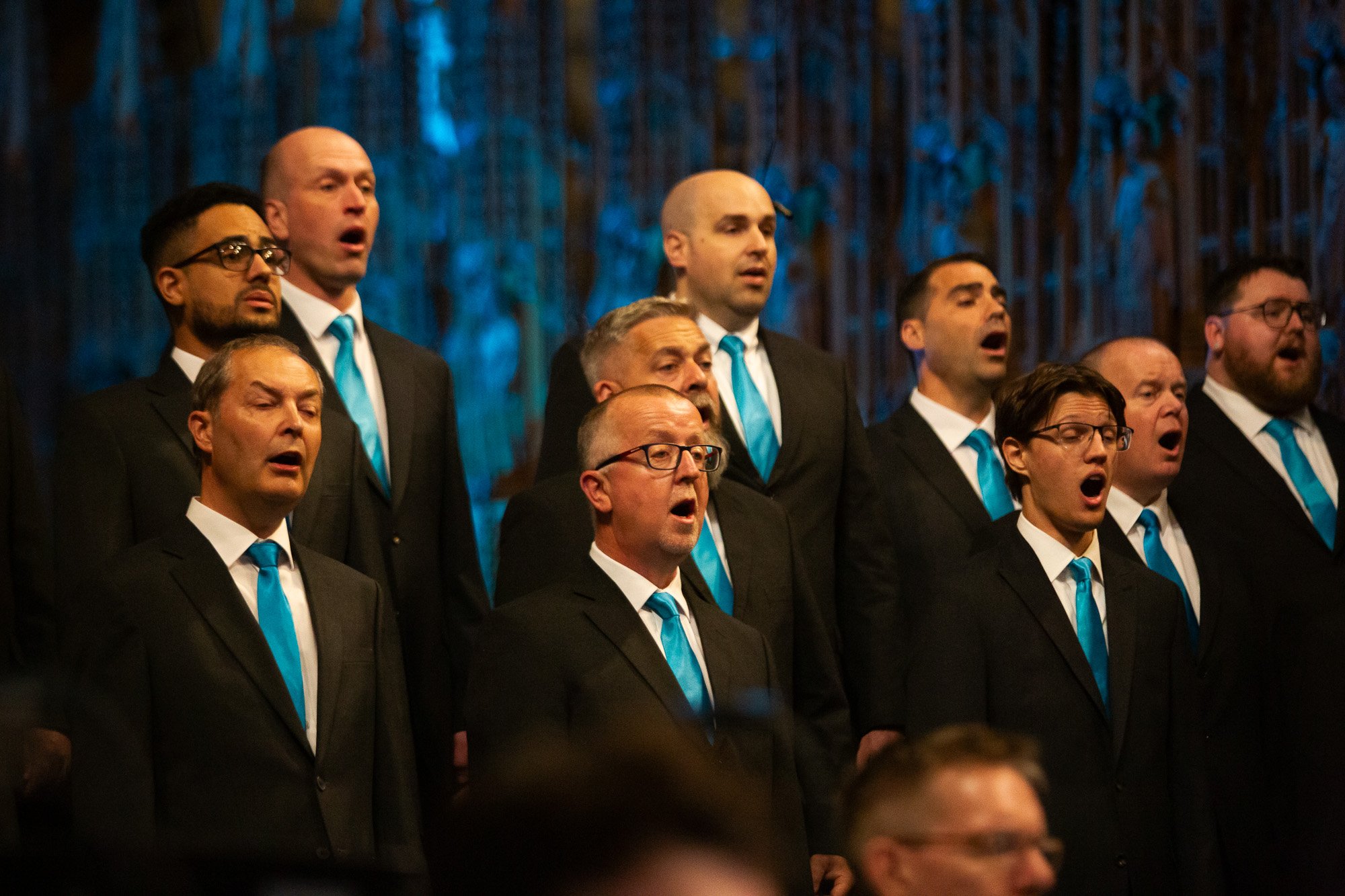
Here’s an important reflection.
In the UK, around 26 percent of the population identifies as non-white British. Yet, in lower voice choirs, that number is only about 2 percent.
Similarly, 11 percent of the UK population identify as LGBTQ+. However, in lower voice choirs, approximately 95 percent identify as straight.
This isn’t just a matter of numbers - it highlights a real opportunity for growth and connection. The gap is significant and something we should thoughtfully consider and address.
It’s worth asking ourselves: are we truly creating welcoming spaces? Or are we simply tolerating differences without actively encouraging genuine diversity and inclusion?
Many choirs have tried outreach efforts — open rehearsals, school visits, local media — and sometimes feel surprised by the familiar, less diverse than expected, turnout.
But here’s the thing: outreach and publicity are just part of the picture. Authentic inclusion happens when our culture feels genuinely welcoming — when every rehearsal feels safe, when our social circles are open, and when our language, culture and environment are inviting to all. Our aim isn’t token gestures but meaningful transformation.
Representation is more than just numbers; it’s about fostering a sense of belonging. If our choirs don’t reflect the communities around us, then perhaps it’s time to consider building genuine relationships with local cultural groups, youth initiatives, attending Pride events - not just to perform but to listen - and collaborating with diverse musical groups in our local area.
Let’s be honest with ourselves: real openness means creating spaces where everyone feels seen, heard, and comfortable—regardless of how they look, think, or dress.