“We’re Always Looking for New Members” Is Not a Recruitment Strategy
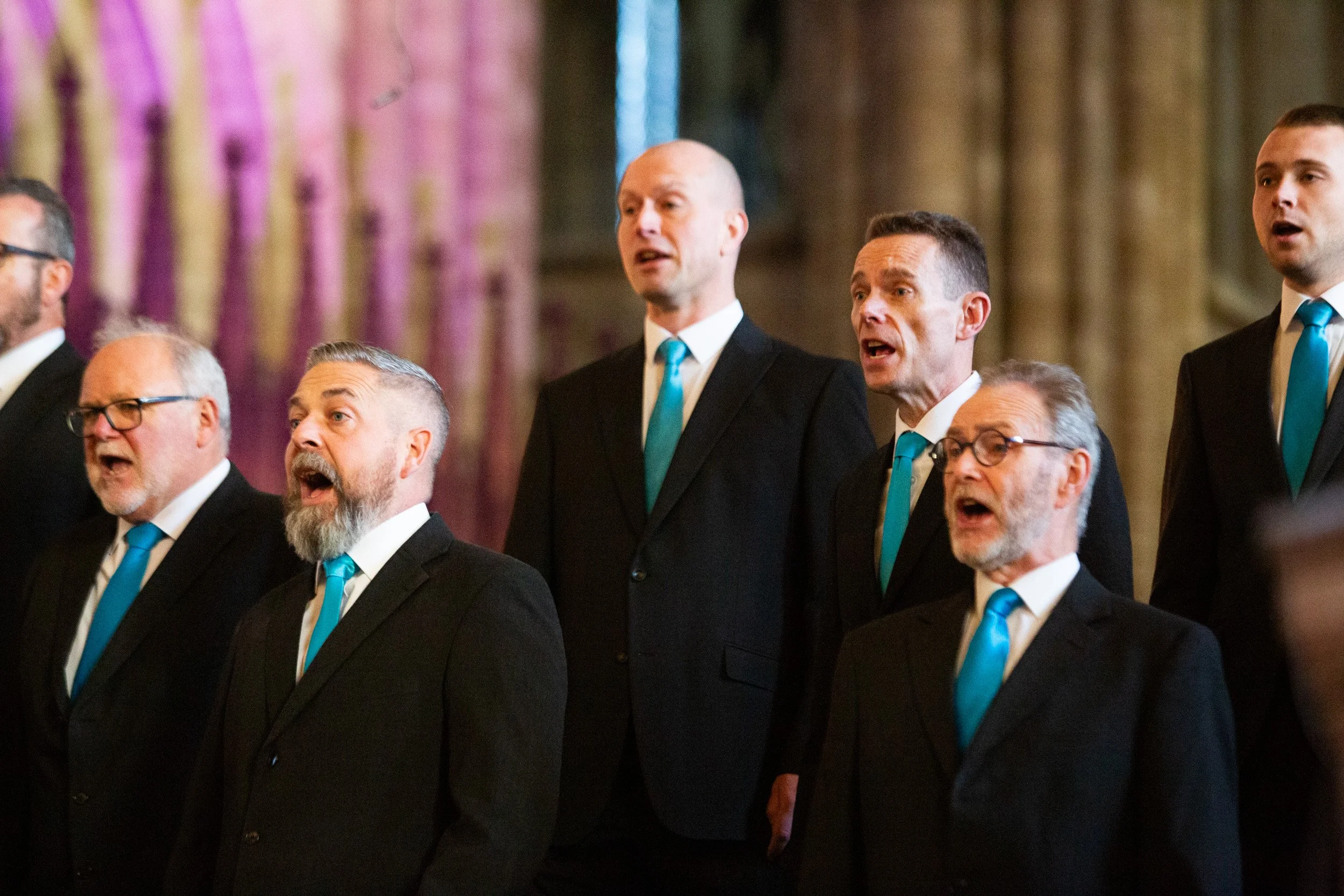
This is the third blog in a series of four called "Who Are We Actually Inviting?”
Almost every male and lower-voice choir website carries some version of the same sentence: “We are always looking for new members.” It appears so often that it has become background noise.
Yet the census of those websites reveals something more telling than the phrase itself. The dominant model on offer is still a rolling invitation into an already-constituted choir. Time-limited projects, fixed-term trial memberships or clearly bounded entry routes are almost invisible.
Most pages invite new singers to join the choir as it currently exists. They may lower the entry requirements and they may sound welcoming, but the destination remains the same: ordinary, ongoing membership of the present organisation.
That is not automatically a problem. Continuity has value. Standards, repertoire, social culture and long-term commitment are real organisational assets. The difficulty arises when “always looking for new members” is treated as a strategy rather than a slogan.
Asking for more people is not the same as re-imagining who can belong and how they begin. One approach reproduces the existing membership model and simply hopes the numbers improve. The other adapts the terms of entry and the reasons for joining while still protecting the musical and social core of the choir. The websites show far more of the first than the second.
A few choirs have begun to widen the invitation - placing greater weight on wellbeing, friendship, civic contribution or personal development alongside the traditional musical offer. These shifts matter. They make different motivations legitimate. But even here the practical route usually remains the same: turn up, settle in, become a regular. The organisational destination is unchanged; only the public rationale has expanded.
True adaptation is rarer. It appears when a choir creates a distinct first stage - a supported trial period, a clear pathway to readiness, or a time-bound project that lets a prospective member test the water without an open-ended commitment. These approaches still aim at long-term membership. They simply refuse to pretend that the leap from outsider to full chorister is the same for everyone.
The sector already knows the demographic pressure it faces. Membership has fallen sharply over the last decade. Younger and more diverse singers remain under-represented. Continuing to issue the same open invitation into the same structure, year after year, is unlikely to reverse that trend. It is organisational hope dressed up as recruitment.
So the useful question is not whether your website says you are looking for new members. Almost all of them do. The useful question is whether the page offers only more of what already exists, or whether it makes space for different starting points and different reasons for staying.
Four things you can do now
Look at the last three years of new members and note how many arrived through a purely open, rolling invitation versus any more structured or time-limited route.
Write down the single biggest practical barrier that stops someone curious from becoming a regular (time, confidence, cost, uncertainty about commitment). Check whether your website addresses that barrier specifically.
Decide whether your choir is prepared to offer a clearly defined first stage - for example a six or eight-week supported trial - and, if so, state it publicly.
Review the language of “always looking for new members.” Replace it with one sentence that describes the actual route and the kind of commitment you are inviting people into.
More of the same, however politely offered, is still more of the same. The choirs that treat recruitment as a chance to rethink the terms of belonging - not merely to fill empty seats - are the ones giving themselves a realistic future.