Members Are Not an Audience
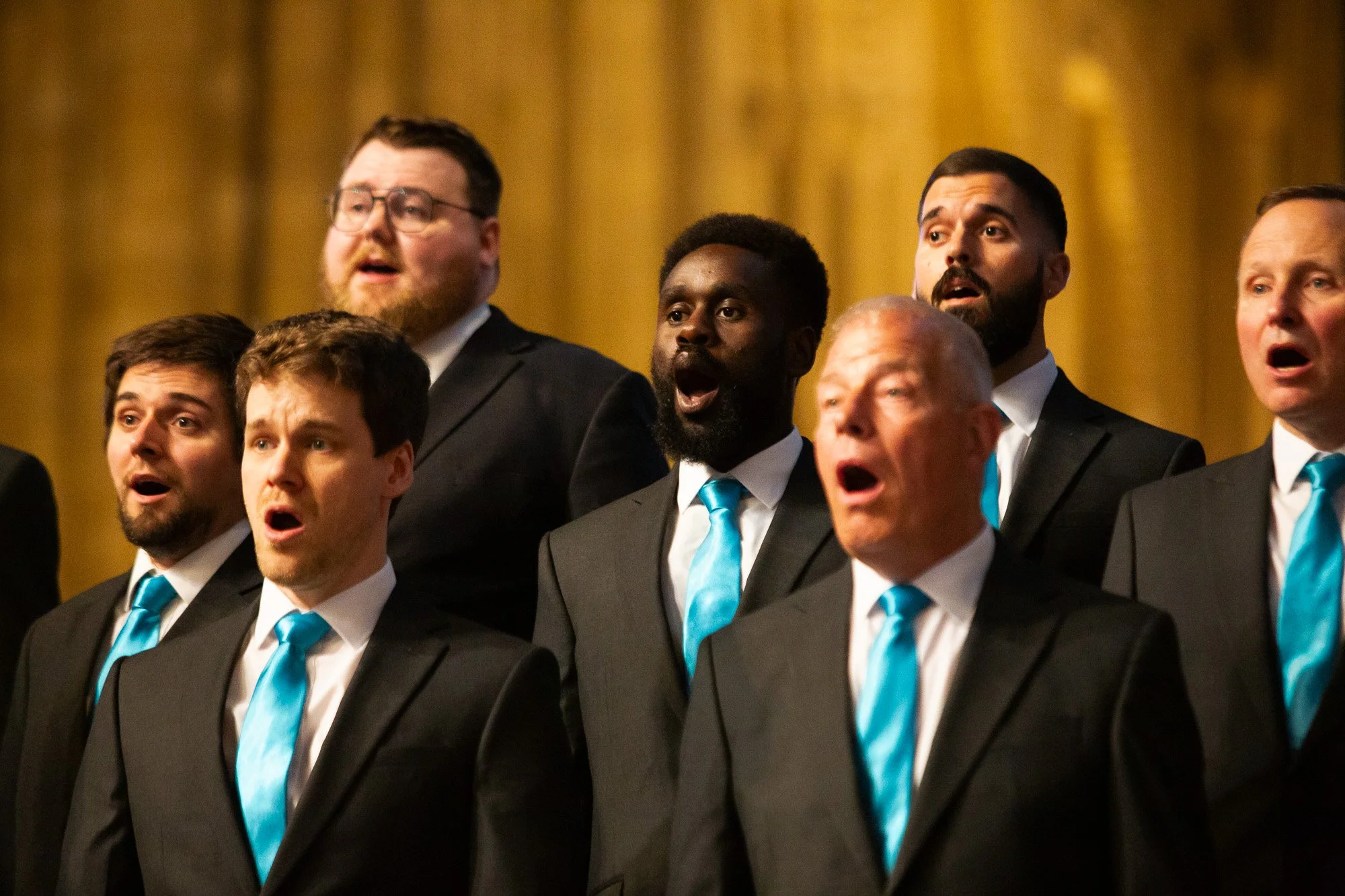
Committees sometimes communicate with their choir in the same way a promoter communicates with a ticket-holder. A decision is reached, a careful announcement is made at the end of rehearsal or by email, and everyone is encouraged to move forward positively. The wording is thoughtful and well-intentioned. The hope is clarity.
The response is rarely clarity.
Instead, conversations begin in the car park. Questions circulate privately. People form different interpretations of the same message. The committee, having worked hard to reach a responsible decision, is left wondering why a simple explanation has not settled matters.
Nothing improper has occurred. The difficulty is structural. The choir has been treated as an audience.
In a concert, communication flows one way. Performers prepare and present. The audience receives. That model works perfectly well for a performance. It works badly for a membership organisation. A male voice choir is not a performing organisation with customers attached to it. It is a group of people who collectively constitute the organisation itself. The committee governs on behalf of the members, not separately from them.
Members do not necessarily want to vote on every operational detail, but they do want to recognise themselves in the direction of the choir. They want to understand why changes are being considered before they appear fully formed. When information arrives only as a conclusion, people naturally attempt to supply the missing explanation themselves. That is how rumours begin, not through malice but through absence of shared understanding.
At this point it is tempting to swing too far in the opposite direction.
Some choirs adopt what might be called a managerial model. The committee behaves as a management team and the members as customers. Decisions are prepared privately and presented efficiently. Leadership is clear, but engagement is low. Members attend rehearsals and concerts yet feel only loosely connected to how the choir is run. Questions are interpreted as complaints because there has been no normal route for participation.
Other choirs drift into a purely member-led model. The committee sees itself primarily as a service body, there to facilitate whatever members prefer. Expectations soften, standards become negotiable, and leadership hesitates to intervene in behaviour for fear of discouraging volunteers. The atmosphere remains friendly, but rehearsals become inconsistent and musical direction becomes difficult because no one wishes to disappoint anyone.
Both approaches arise from good intentions. Neither quite works, because a male voice choir is not only a democratic association. It is also a shared activity that must deliver a worthwhile weekly experience.
This is the part that is sometimes overlooked. Members are not an audience in governance, but the membership experience is very much a product. Not a commercial product, and not a ticketed one, yet a real one nonetheless. Every member makes a weekly decision to give up an evening. What they are choosing is not merely repertoire or concert opportunities. They are choosing an experience of belonging, progress and enjoyment.
That experience is shaped by practical things: whether rehearsals start on time, whether music is prepared, whether expectations are clear, whether communication makes sense, whether behaviour is addressed promptly, and whether musical leadership is supported. Members rarely leave because of a single decision. They drift away because the experience gradually stops feeling worthwhile.
This is why recruitment conversations often miss the point. Choirs frequently focus on publicity, posters and repertoire when numbers fall. In reality, retention is usually the decisive factor. Choirs grow when members quietly recommend them to others. Members recommend choirs when their own weekly experience is satisfying. The rehearsal is the central offer. Concerts matter, but members attend dozens of rehearsals for every performance.
So the choir lives in two realities at once. In governance, members must be participants rather than spectators. In practice, the organisation must be competently run so that the experience they receive is consistent and meaningful.
Healthy choirs manage this balance. They share developing thinking rather than only final decisions, so members understand direction. At the same time, leadership maintains clarity about standards, behaviour and rehearsal structure so that the weekly experience remains purposeful. Members help shape where the choir is going. Leadership shapes what it feels like to be there.
A concert audience judges a choir for a couple of hours. Members judge it every week.
When members are treated only as listeners to announcements, they disengage. When they are treated only as owners without structure, the experience deteriorates. When they are treated as participants in the organisation and recipients of a well-run musical activity, commitment follows naturally.
A choir thrives not simply because it performs well, but because belonging to it consistently feels worthwhile.
Five practical steps to try this term
Flag changes early
When the committee is considering something significant, tell the choir before it is decided and explain the reason. Understanding prevents speculation.Hold a short annual members’ forum
One focused session for questions and updates, separate from the AGM. Aim for clarity, not debate.State simple expectations clearly
Agree basics such as punctuality, preparation and replying to communications, and apply them consistently.Provide a clear feedback route
Nominate a named contact (committee member or section rep) so concerns go somewhere constructive rather than circulating informally.Review the rehearsal experience termly
Ask: what would a new member notice tonight? Adjust organisation and communication accordingly.